
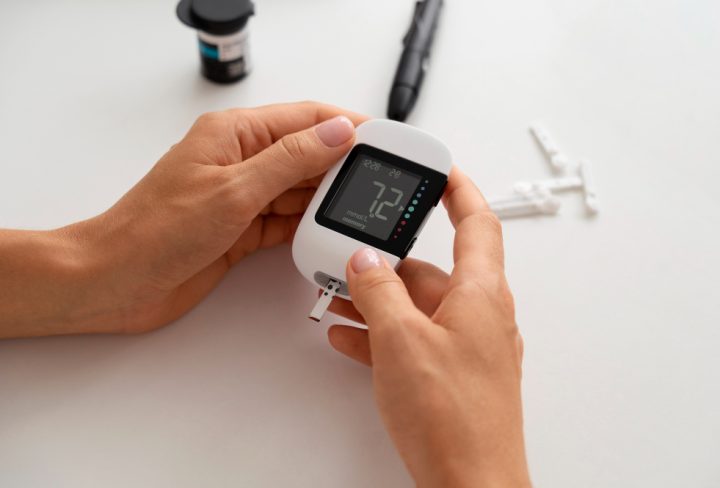
Diabetes myths can cause confusion and even harm. Many people believe things about diabetes that are not true. Because of these diabetes myths, some may not get the right care. Understanding the truth about diabetes is important for everyone. When we know the facts about diabetes, we can help ourselves and others stay healthy. In this blog, we will explore common misconceptions about diabetes and share the truth about diabetes management.
What Are Diabetes Myths?
Diabetes myths are false ideas or beliefs about diabetes. These myths can spread quickly. Sometimes, people hear them from friends or see them online. However, not all information is correct. Myths can make it hard for people to manage diabetes well. For example, some myths may stop people from seeking help. That is why it is important to know the facts about diabetes.
Most Common Diabetes Myths
Why Do These Myths Persist?
Many myths about diabetes continue because of old beliefs and misinformation. Sometimes, stories are passed down through families. Other times, people read false information online. Because diabetes is common, many people have opinions about it. However, not all opinions are based on facts. That is why it is important to check information with trusted sources.
The Impact of Myths on Diabetes Management
Diabetes myths can make it harder for people to manage their health. For example, someone may avoid insulin because of fear. Others may not take diabetes seriously. As a result, they may skip doctor visits or not follow treatment plans. Myths can also cause stress and worry. When people believe myths, they may not get the support they need. Therefore, knowing the truth about diabetes helps people make better choices.
How to Identify Reliable Diabetes Information
It is important to find accurate facts about diabetes. Here are some tips:
Tips for Spreading Accurate Diabetes Awareness
Everyone can help share the truth about diabetes. Here are some ways to spread correct information:
In summary, understanding the truth about diabetes is key to better health. When we stop believing myths, we can help ourselves and others. For accurate diabetes information and personalized advice, consult a healthcare professional.